
This article is part of a series of publications in which stormwater experts from different cities share their cities’ journey in nature-based solutions for stormwater management. The City Blues project has come up with a transition scale which is used as a guideline to help cities describe and measure their progress in implementing nature-based solutions. The scale and descriptions of its stages can be found on the City Blues webpage: D1.3 Critical KPIs for the joint operational model design process.
How did the city become interested in nature-based solutions?
Both Stavanger and Sandnes in Norway started working with nature-based solutions and using that term in the early 2000s. In Stavanger, there were already plans where the pollution of water bodies had been addressed through nature-based solutions and open stormwater management from the 1980s, nature-based treatment parks for water quality back in the 1990s, and flood management solutions from 2005. The concept became more structured after joining national and EU-level initiatives like Fremtidens Byer and the UNaLab project. These made it possible to bring in tools like the blue-green factor, which helps to quantify green infrastructure in planning.
In Sandnes, 13 km south of Stavanger, the timeline was similar. We focused early on stormwater management and maintaining the good ecological condition of water while preventing flood. Even though the term ‘nature-based solutions’ came later, the ideas have been part of planning for decades. Nowadays both cities try to utilize NBS whenever they are suitable for the context and take future rain events into consideration in planning.
What are the main benefits of NBS in the city?
The positive effects in addition to improving water quality and reducing flood risks include supporting biodiversity and public health and helping regulate temperatures in the city by creating shadows. In Stavanger, for example, we have seen fewer algae blooms in our water bodies thanks to better control of agricultural runoff. The main benefit is however the flood management, since here in the coast of Norway precipitation is expected to rise 20-40 percents due to climate change and it is already raining approximately every other day in a year. In Sandnes, these solutions have made our ecosystems more resilient. Green and blue infrastructure also makes the city more attractive and livable – for both people and wildlife.
On what transition stage would you rate the work of the city?
Stavanger is close to being a ‘water cycle city.’ There is strong political support, and nature-based solutions are well integrated into strategic documents. That said, there are still challenges with funding and putting plans into action. Sandnes can be seen being somewhere between a ‘drained city’ and a ‘water cycle city.’ The regulations are there, but political ambition and practical implementation vary.
What are the main challenges for nature-based solutions?
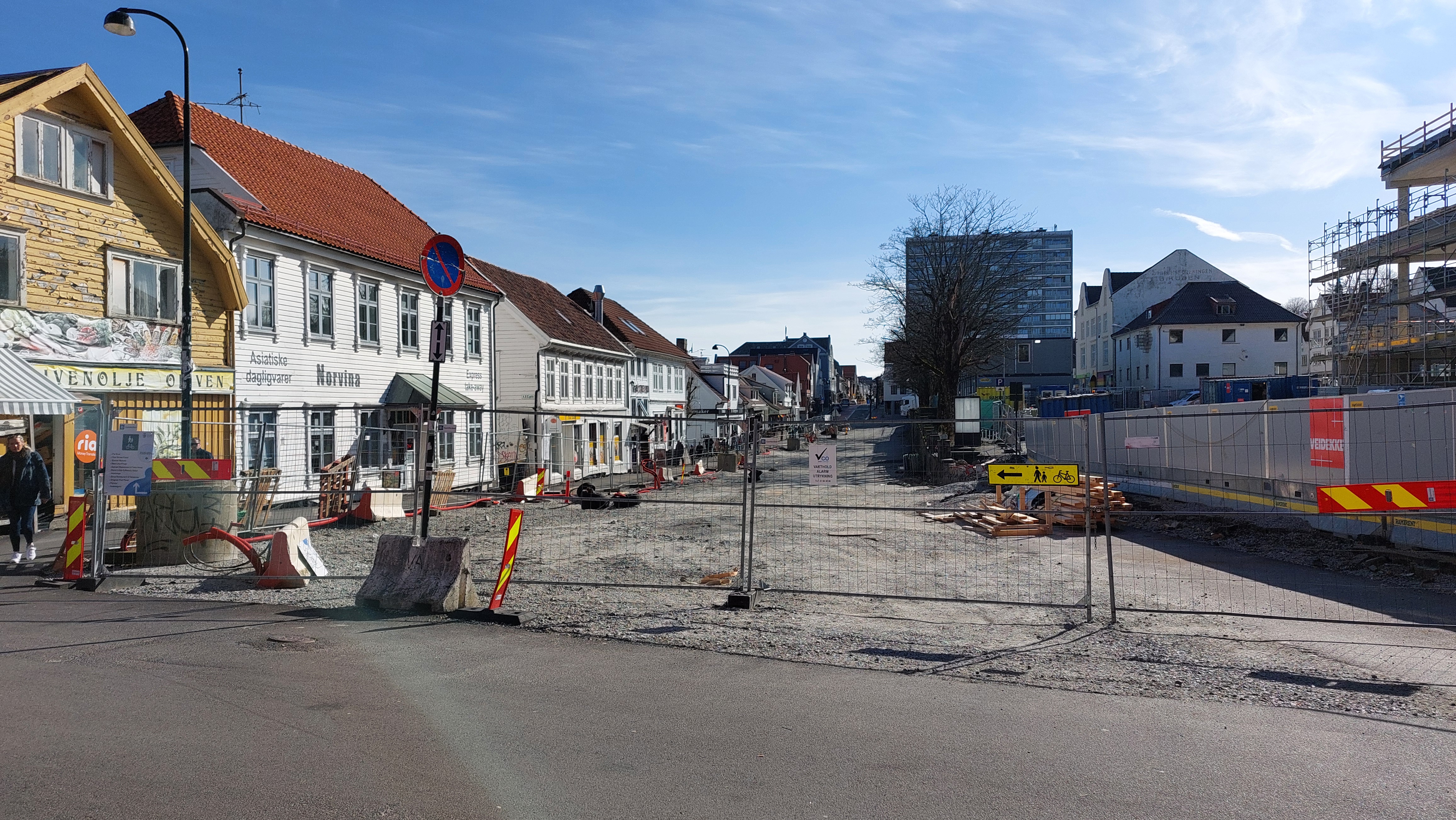
One of the biggest challenges is space – especially in dense urban areas where retrofitting nature-based solutions is tough. It is easier to include them in new developments but fitting them into existing infrastructure is much harder. Not that many different solutions have been done either, which sometimes makes it tricky to design new ones. For example, Stavanger currently has little experience with rain beds, which are used at Nytorget, a renovated square in the city centre. It was therefore challenging to find good solutions for the design, and a good plan for maintenance to ensure optimal functioning.
Some technical limitations like shallow soil layers and poor infiltration conditions make it also tricky to manage water effectively. In both cities, catchment areas are fragmented, so it is hard to prioritise and coordinate efforts. Another issue is communication. We need to work more closely with planners and architects to make sure the solutions are designed in a way that is both effective and affordable.
How do you engage stakeholders in NBS work?
Stakeholder involvement is done as part of the planning process, as it is required in Norway, and NBS are usually presented with the plan. In Stavanger, we utilize the planning firms since they have a lot of experience from this and in general discuss with the firms to build consensus in the planning environment. Some projects in central location, like the Nytorget, pay close attention to stakeholder engagement. The project group has held information meetings and direct dialogue with businesses and neighbors in the area as well as the departments that will take over operation and maintenance when the project is completed. Information is also shared on a website.
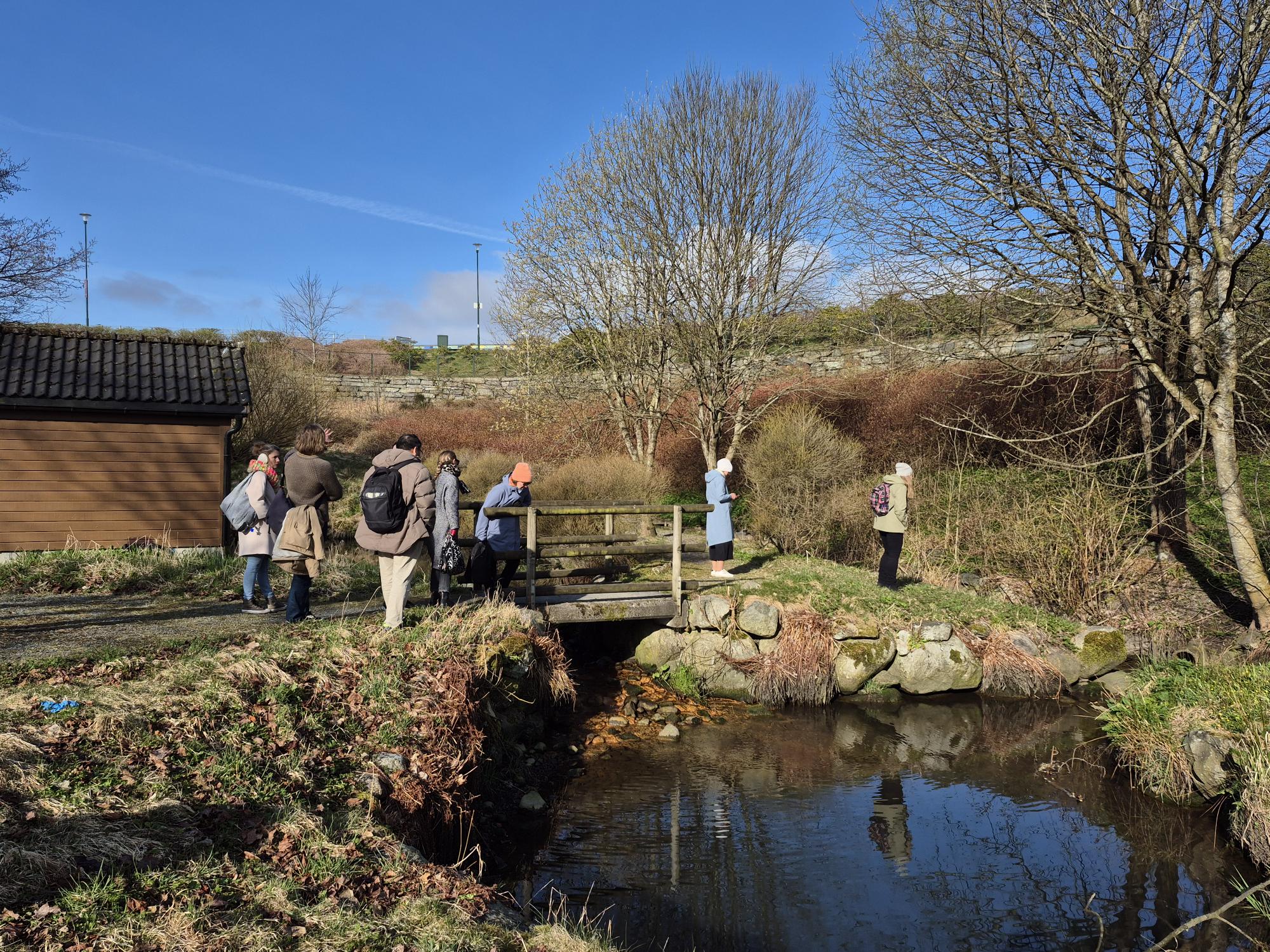
In Sandnes, we try to show real-life examples to demonstrate how these solutions work. We are also thinking about building more signs and educating citizens in other ways to help them understand what these green areas do. It is important that both residents and professionals see how stormwater is managed and how different spaces contribute to that.
What are some aspects that could be further developed?
Stavanger needs more hands-on experience with nature-based solutions. There is a gap between the amount of legislation and how many NBS are actually implemented in the municipality. NBS are used in bigger projects in the city centre, but there could be more solutions elsewhere, too. Right now, many of the solutions we have do not work as optimally as they could. Often, they are used as secondary systems when the water overflows instead of being the primary way to treat stormwater, which is not ideal.
Whereas in Sandnes city centre especially, there is room for improvement in managing combined flood risks from rivers, stormwater, and sea level rise. We need better strategic planning and preventative measures to make it easier to implement the right measures in each smaller plan.
What advice would you give to other cities?
In Stavanger, one of our main success stories with getting attention to stormwater is engaging politicians with the planning and discussing the problems with them. There has been, for example, study visits with politicians to other cities abroad that gave the politicians a lot more ownership towards the problem and made them a lot more susceptible to implement legislations that help design NBS strategically. Another tip is that municipalities should try different solutions in their own projects without prejudice and thereby gain experience and confidence.