
Planning and designing
We’re still building this page brick by brick. Stay tuned for the grand reveal!
Key Priorities in NBS Planning
Planning Nature-Based Solutions requires a holistic, adaptive, and context-sensitive approach. First, NBS should be designed as multifunctional systems, not single-purpose installations. This means considering both primary benefits (e.g., flood control, water quality) and co-benefits (biodiversity, social well-being) from the outset, and using a systems approach to minimize trade-offs between objectives.
Second, local conditions like climate, rainfall patterns, freeze-thaw cycles, and soil characteristics strongly influence performance. Cold climates, for example, demand additional measures such as well-drained soils and maintenance strategies to prevent freezing and salt-related impacts.
Third, planning must integrate long-term adaptability. Unlike grey infrastructure, NBS performance changes over time due to ecological dynamics and climate stressors. Designers must anticipate these changes and include maintenance and rehabilitation commitments in the design process.
Fourth, technological integration is increasingly important. NBS are evolving from simple soil-based systems to sensor-managed, real-time controlled solutions. Smart technologies can enhance water quality and quantity regulation, but their effectiveness varies, especially during extreme events, so planners must choose the right level of technology for the context.
Fifth, synergy with existing infrastructure is essential. NBS should not replace grey systems in isolation but complement them through hybrid solutions. This requires integrated planning across urban infrastructure domains and better modeling of interconnections.
Finally, policy alignment and data availability underpin successful implementation. Design standards must fit local regulations, and planners need robust data to optimize multifunctionality. Current gaps include standardized design processes for hybrid systems and research on interconnected networks of NBS.
Different solutions
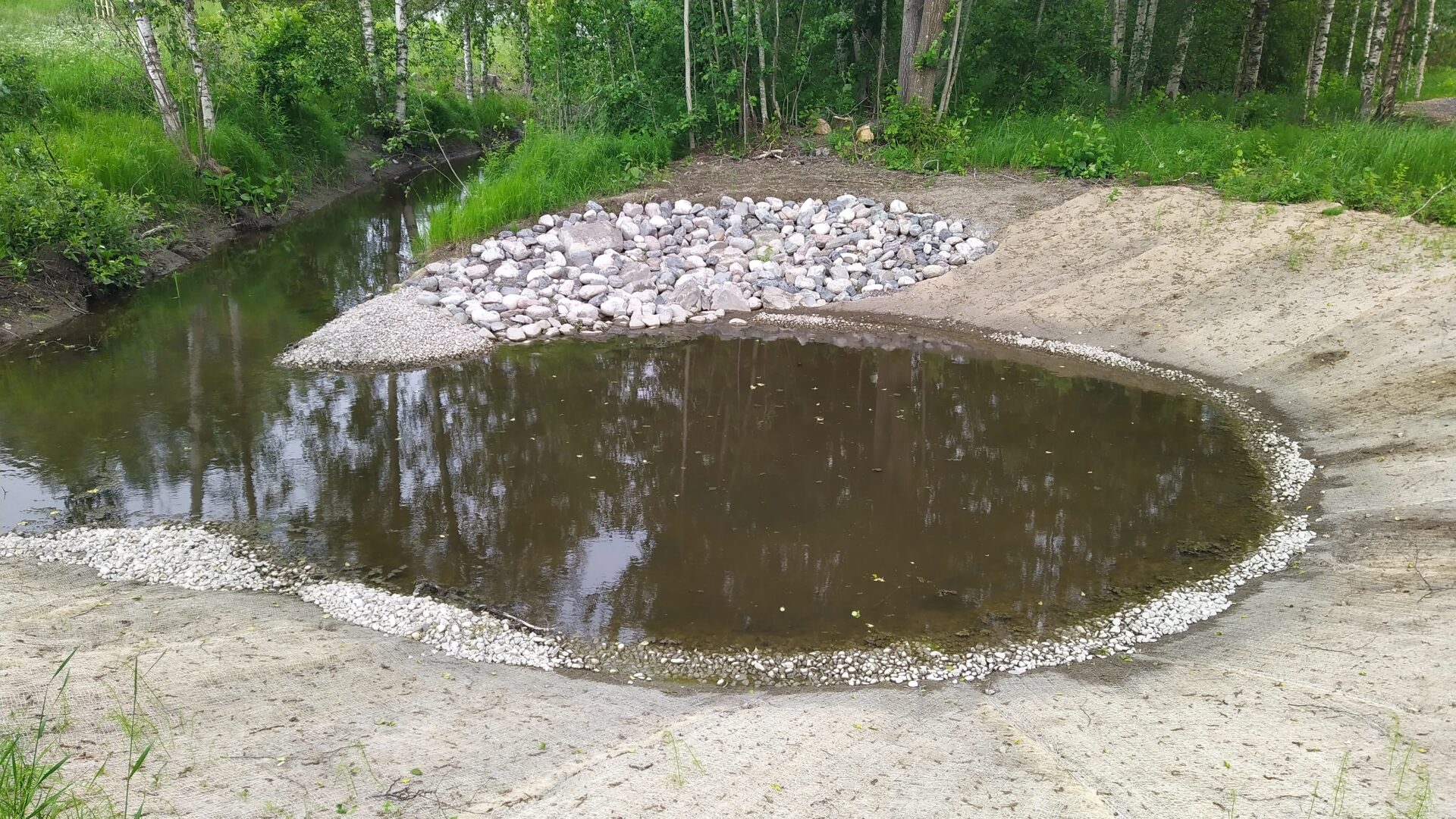
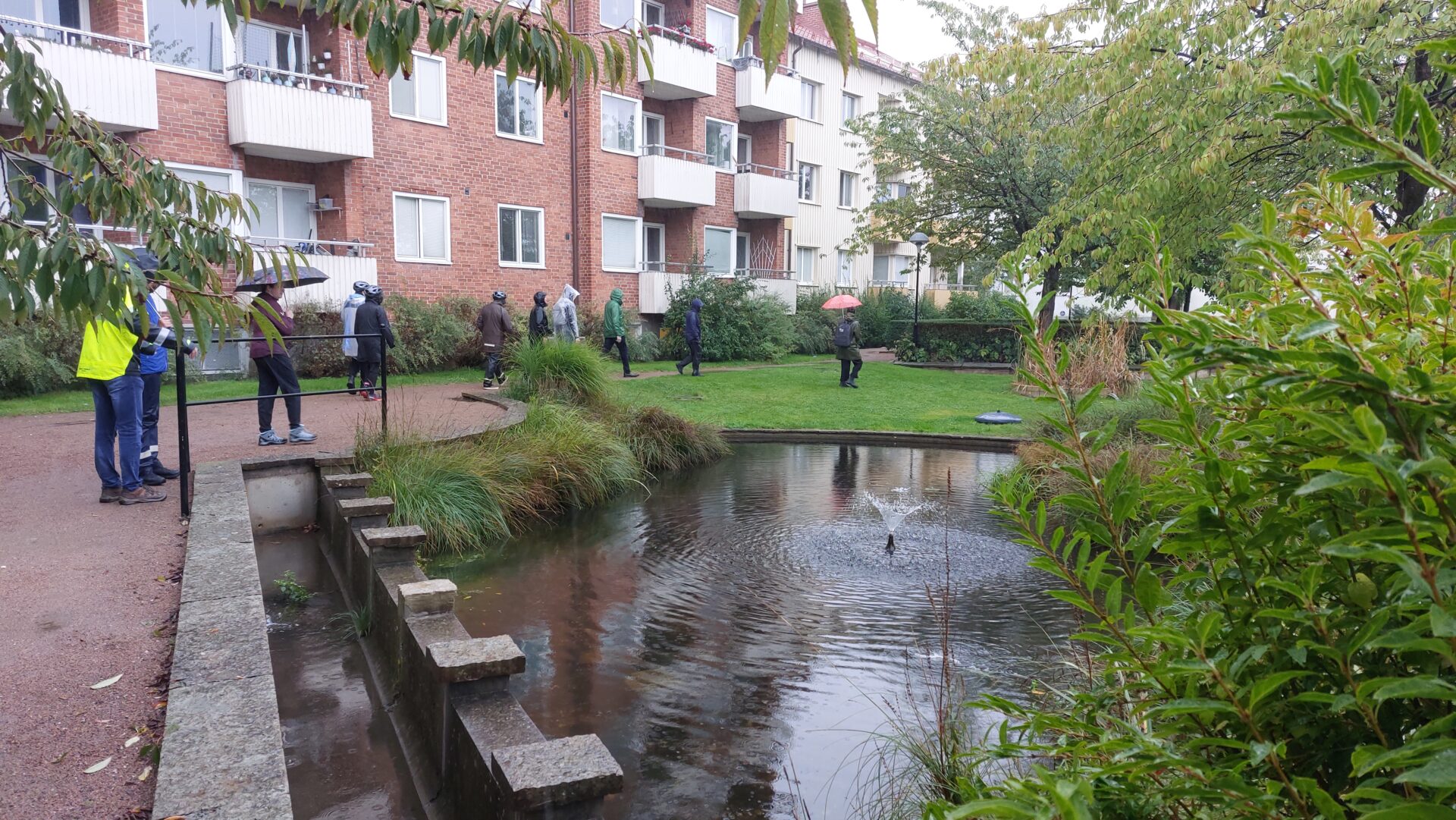
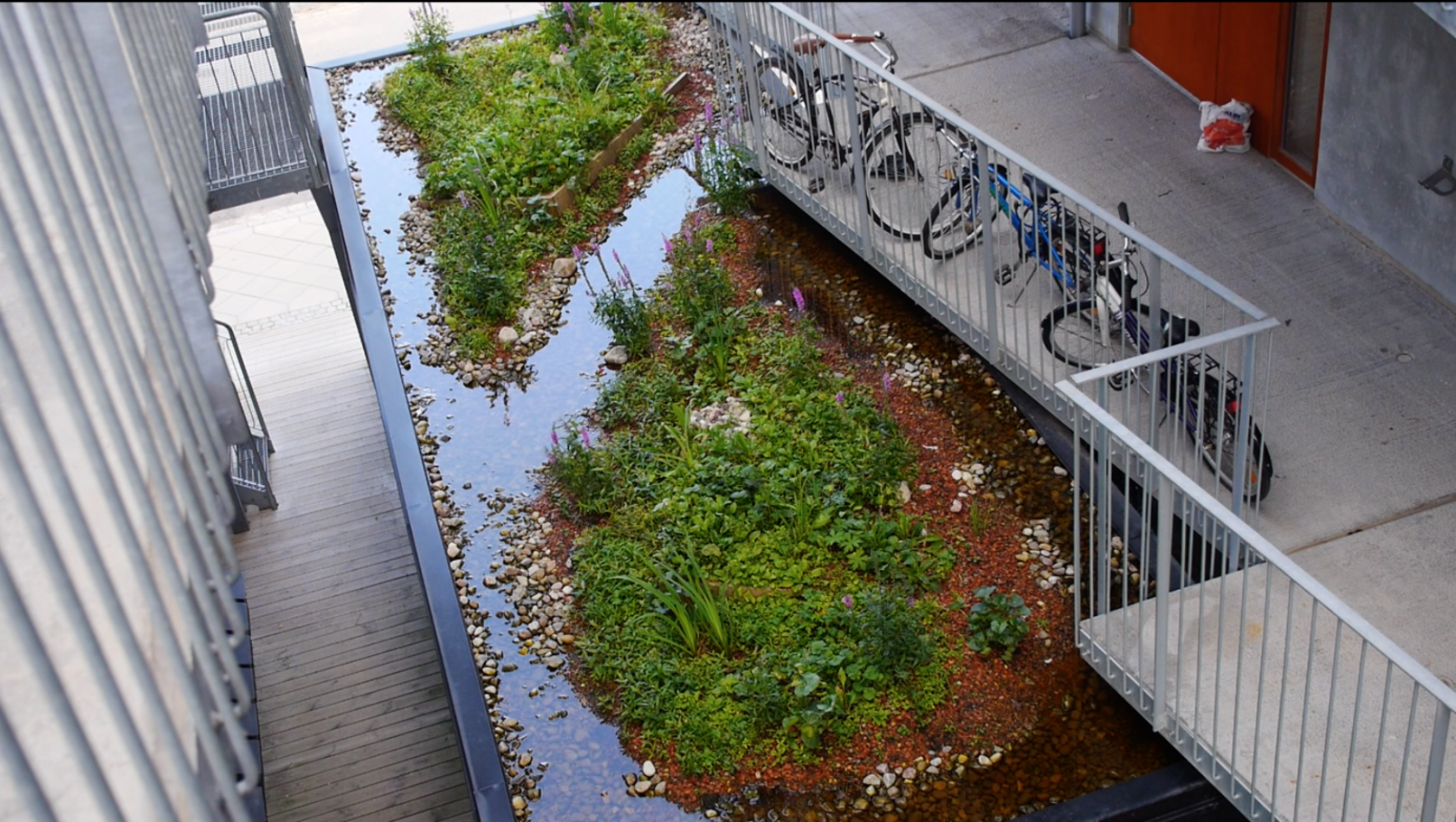
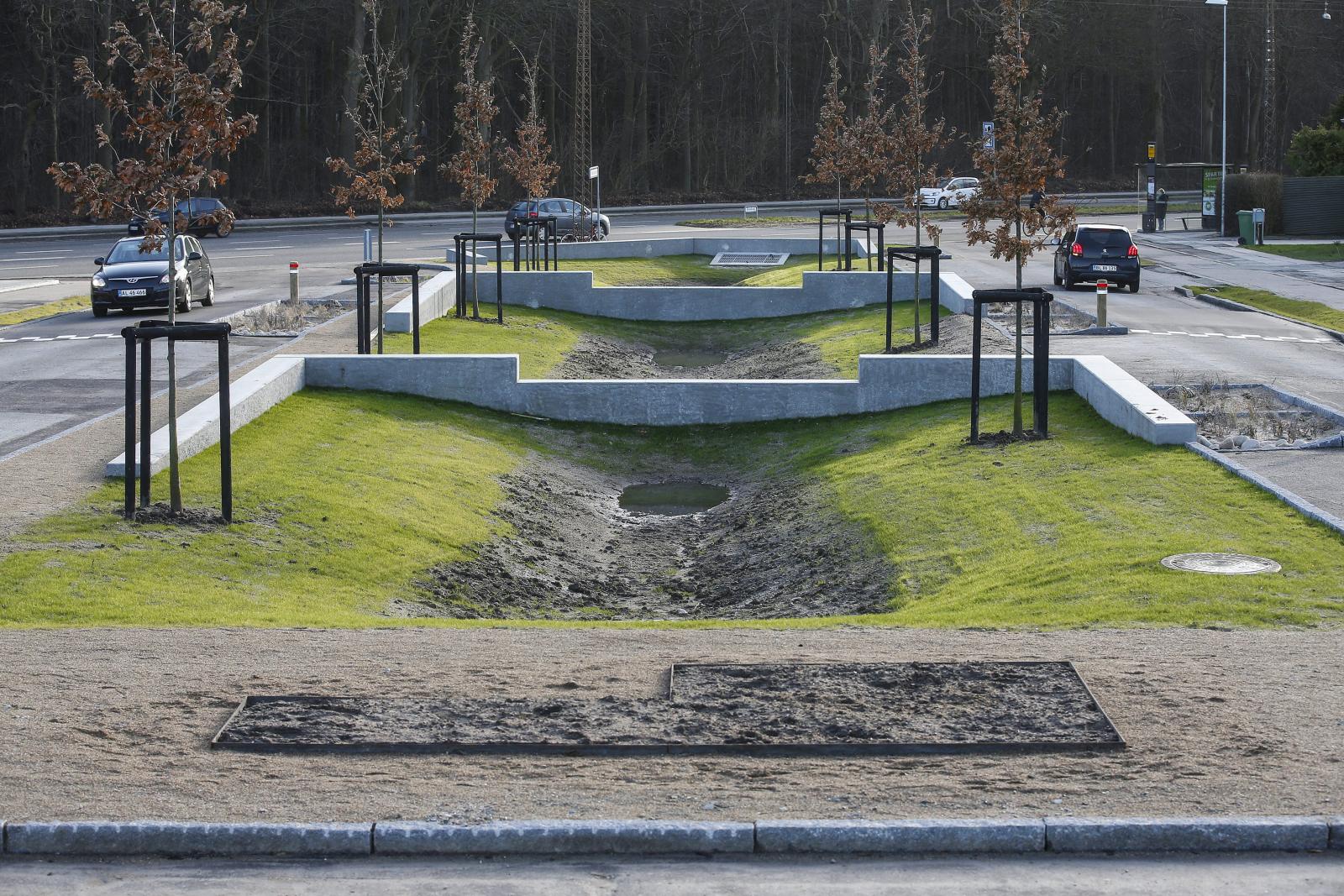
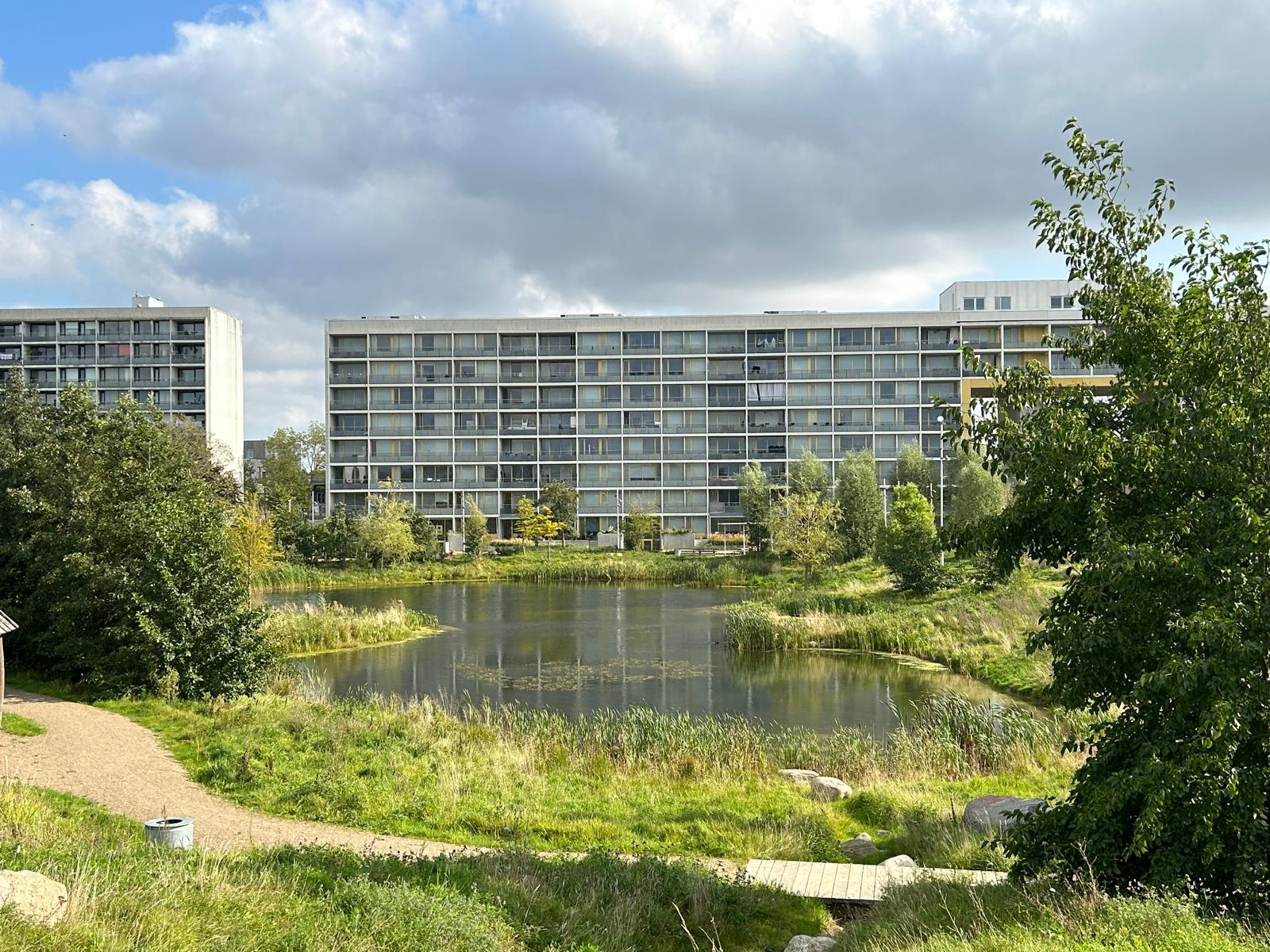
Take a look what nature-based solutions look like in different cities. Click the images to see more details.

Additional reading
CRC for Water Sensitive Cities. 2021. Our Guidelines – CRC for Water sensitive cities
IUCN. 2020. Global Standard for Nature-based Solutions | INBS
Nordic Council of Ministers. 2024. Practical experiences with Nature-Based Solutions in the Nordics.